Duolingo taught you words. No one taught you to speak.
PracticeMe: real voice conversations with an AI tutor, 24/7.
Speak App Review: Is It Worth It for English? [2026]
![Speak App Review: Is It Worth It for English? [2026]](https://cdn.babyseo.ai/images/practiceme.app/speak/speak-app-review-english-learning-2026.png)
Speak is one of the most well-funded AI language learning apps on the market — backed by OpenAI's Startup Fund, valued at 1 billion dollars, and downloaded over 15 million times. But does all that investment translate into a great experience for English learners specifically?
I spent several weeks testing Speak's English learning features for this review, comparing its conversation quality, lesson structure, and pricing against what's available in 2026. Here's my honest Speak app review — what it does well, where it falls short, and how it stacks up against conversation-focused alternatives like Practice Me.
Quick Summary: Speak is a polished, lesson-based language learning app that's excellent for beginners who want structured speaking practice across multiple languages. However, for learners focused specifically on English conversation fluency, its limited accent options, shallow vocabulary tracking, and repetitive higher-level content make it less ideal than conversation-first alternatives. Practice Me offers a more natural speaking experience at a lower price — with selectable accents, named AI tutors, and automatic vocabulary saving.
What Is the Speak App?
Speak was founded in 2016 by Connor Zwick and Andrew Hsu, both Thiel Fellows, originally targeting English learners in South Korea. The app has since expanded globally and now teaches six languages: Spanish, French, Korean, Japanese, Italian, and English.
The numbers behind this language learning app are impressive. Speak has raised 162 million dollars in total funding across seven rounds, reaching a 1 billion dollar valuation in late 2024. Its investors include the OpenAI Startup Fund, Accel, Khosla Ventures, and Y Combinator. Users have spoken over one billion sentences on the platform.
The app is available on both iOS and Android (unlike some English-only competitors) and holds a 4.8 rating on the App Store with 15 million+ downloads. Speak's core philosophy is straightforward: get you speaking out loud from day one, rather than endlessly tapping through flashcards.
That philosophy resonates. The New York Times' Wirecutter named Speak one of the best language learning apps in their 2026 review, praising its focus on spoken practice over passive memorization.
How Speak Works: Features and Lesson Types
Speak organizes learning into a structured curriculum divided into thematic units. Each unit contains a mix of lesson types designed to build your speaking skills progressively:
- Tutor Lessons — Short video-based introductions to pronunciation and vocabulary. These feel engaging at the beginner level but become rare as you advance.
- Speaking Drills — Sentence repetition exercises where words light up as you say them. Think of it as Duolingo's speaking mode, but more focused.
- Vocab Builder — Matching and fill-in-the-blank games to reinforce new words.
- Roleplay — Scenario-based conversations (ordering at a café, making travel plans) where the AI gives you specific tasks to complete.
- Free Talk — Open-ended conversations where you define the topic, setting, and roles.
- Tutor Q&A — Structured exchanges where the AI asks questions and expects specific responses.

The standout feature in this Speak app review is Speak Tutor, an AI-powered assistant you can ask grammar questions, request explanations, or have create custom practice lessons on the spot. Premium Plus subscribers also get Made For You lessons — personalized speaking exercises generated from your mistakes and goals.
For English learners specifically, Speak also includes a Pronunciation Coach that provides feedback on individual sounds. This feature feels useful for beginners working on specific phonemes, though it doesn't replace the kind of fluency practice you get from real conversational flow.
One thing that became clear during my review: Speak isn't purely a conversation app. It's a structured language learning platform where conversation is one of several lesson types. If you're looking for pure conversation practice, Speak may feel more like a classroom than a coffee shop chat.
Speak App Pricing in 2026
Speak offers two subscription tiers, and honestly, the differences between them don't feel as clear as they should be.
Premium (a mid-tier monthly or annual subscription, depending on region and promotions):
- Full curriculum access
- Roleplay and Free Talk
- Speak Tutor access
- Smart Review
- Custom lessons — limited to 3 per day
Premium Plus (higher price, varies by region):
- Everything in Premium
- Unlimited custom lessons (Made For You)
- Unlimited Speak Tutor interactions
- Personalized study plan
- Targeted frequent-mistake practice
Both tiers include a 7-day free trial. However, multiple reviewers — and my own testing for this review — confirm that the tier distinction feels confusing. The pricing page doesn't always clearly explain what "limits" Premium users face versus Premium Plus. For a well-funded app valued at 1 billion dollars, this lack of pricing transparency feels like an oversight.
For comparison, Practice Me's pricing is simpler: one weekly or annual plan, with full access to all features at every tier — no confusing "Plus" upsell.
Voice Quality and Conversation Review
Speak's voice quality is genuinely good. The AI voices sound natural and smooth — none of the robotic flatness you get from older text-to-speech systems. This matters for a speaking app, because you're going to hear these voices a lot during your language learning sessions.
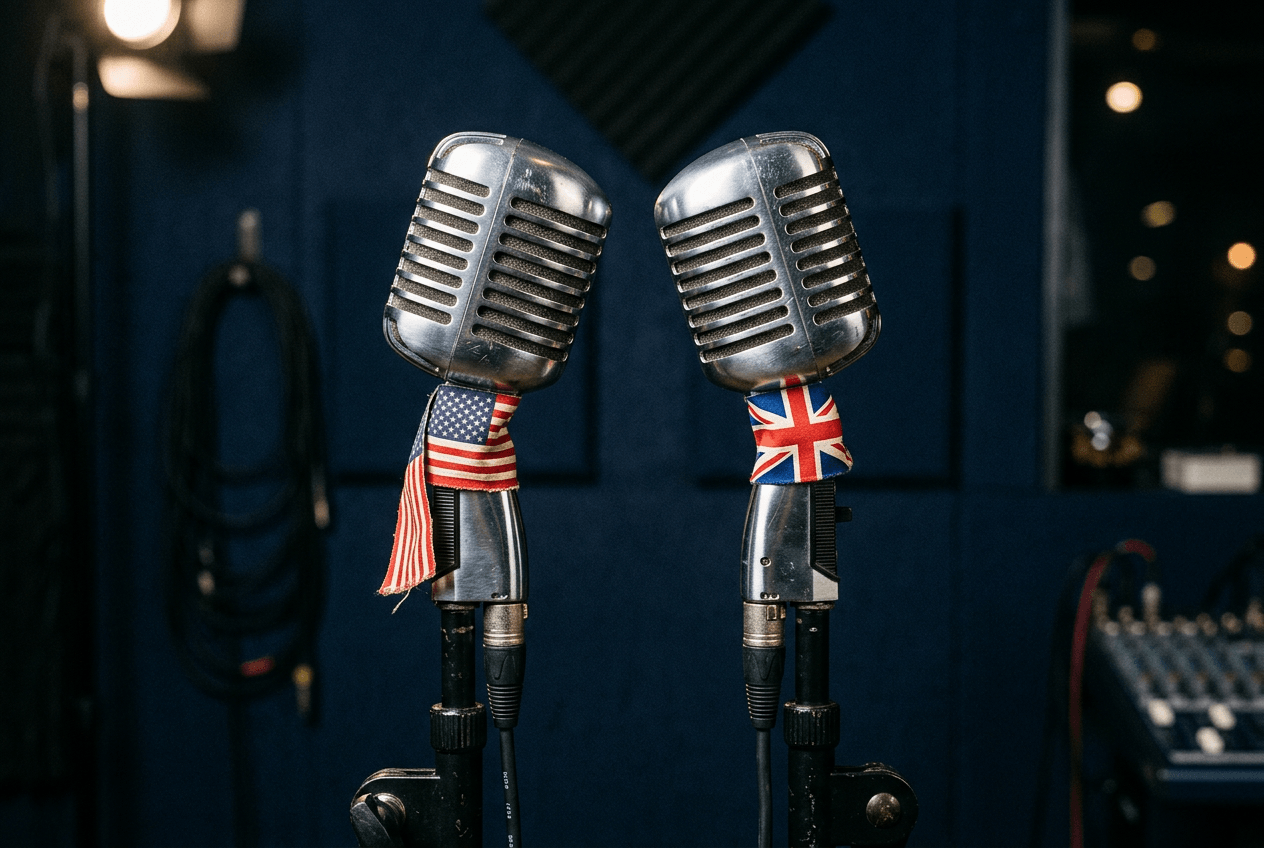
But there's a significant limitation that came up repeatedly during this review: you can't choose your AI partner's voice or accent. You get what you get. For beginners, this feels fine. For intermediate or advanced English learners who want to train their ear for a specific American or British accent, it's a real gap in the app.
The AI conversation quality in Free Talk mode is decent — it recognizes complex sentences and maintains reasonable conversational flow. However, reviewers consistently note one frustrating pattern: the AI almost always ends its response with a question. Every. Single. Time. This makes conversations feel less like natural dialogue and more like being interviewed.
Speech recognition is accurate in the sense that it captures what you say. But it's overly lenient — it sometimes gives you a perfect score even when you mispronounce words or reverse word order. In languages where word order changes meaning (and even in English, where emphasis matters), this leniency can create a false sense of mastery that doesn't feel helpful for serious learners.
The feedback you receive after conversations is brief. You get a short summary of errors and the option to generate a review lesson. But the review lessons are essentially more Speaking Drills — there's no deep analysis of pronunciation patterns, grammar trends, or vocabulary gaps over time.
If you tend to feel anxious about speaking English, Speak's evaluation mode might actually increase that anxiety. The app grades your responses, which some learners find motivating but others feel is stressful. For a more judgment-free experience designed to help you overcome the fear of speaking English, a conversation-first approach without scores and grades can feel more natural and encouraging.
What Speak Gets Right (Pros)

Let's be fair in this Speak app review — there's a reason 15 million people have downloaded this app and feel positive about it.
Polished, professional interface. Speak's design is clean, modern, and intuitive. Navigation makes sense from the first session. The onboarding process feels smooth, with personalization questions that tailor your starting level and learning goals.
Structured curriculum that works for beginners. If you're starting from scratch in any of Speak's six supported languages, the step-by-step lesson progression is thoughtful. Video-based tutor lessons at the beginner level are genuinely helpful for building foundational pronunciation and feel well-produced.
Engaging roleplay scenarios. The themed conversations (shopping, traveling, meeting new people) include cultural context and specific tasks to complete, which keeps practice sessions from feeling aimless.
Both iOS and Android. Unlike some English-focused competitors, this language learning app is available on both major mobile platforms. If you're an Android user, this is a genuine advantage worth noting in any honest review.
Multi-language support. If you're learning Spanish, French, Korean, Japanese, or Italian in addition to English, Speak lets you switch between languages without needing separate apps. This feels efficient for multi-language learners.
Proven track record. With 162 million dollars in funding, an OpenAI partnership, and a Wirecutter recommendation, Speak isn't going anywhere. You're investing in a language learning platform with serious staying power. A 2025 study by researchers Thao, Ly, Thu, and Kien found that students using AI speaking practice apps showed a 75% improvement in overall speaking scores over just eight weeks — and apps like Speak are exactly the kind of tool those researchers studied.
Duolingo taught you words. No one taught you to speak.
PracticeMe: real voice conversations with an AI tutor, 24/7.
Where Speak Falls Short (Cons)
No app is perfect, and this Speak app review wouldn't be honest without addressing genuine weaknesses — especially for English-specific learners.
No accent or voice selection. You can't choose between American, British, Australian, or other English accents. For learners who need to understand and practice a specific dialect — whether for work, immigration, or travel — this feels like a meaningful limitation. Practice Me lets you choose between American and British accents with named tutor personalities, so you know exactly what accent you're practicing with.
Weak vocabulary tracking. Speak lets you save phrases to a "Phrasebook," but there's no spaced repetition system and no way to reintegrate saved words into future conversations. This review found that vocabulary learning feels disconnected from the actual speaking practice. Compare this to Practice Me's automatic vocabulary saving, which captures words from your conversations and tracks your growth over time — no manual effort needed. For more on why this matters, see our guide on how to build vocabulary through conversations.
Shallow feedback. Post-conversation summaries feel brief and generic. There's no cumulative tracking of your recurring mistakes, pronunciation patterns, or grammar weak spots across sessions. If you're serious about improving, this lack of depth in the review process feels frustrating.
Repetitive at higher levels. Speak's beginner content is its strongest asset. But as you progress, lesson variety decreases noticeably. The Tutor Lessons and Vocab Builder activities that make the beginner experience feel engaging become rare at intermediate and advanced levels, leaving mostly Speaking Drills and Roleplays.
Confusing pricing tiers. The Premium vs. Premium Plus distinction is poorly communicated. Some of Speak's most useful features (unlimited Made For You lessons, personalized study plans) are locked behind the higher tier, but it's not always obvious what you're missing on the standard Premium plan.
Not designed for pure conversation practice. This isn't really a flaw — it's a design choice. Speak is a lesson-based language learning app that includes conversation. If what you actually want is to have natural, flowing English conversations with an AI that feel like talking to a friend, Speak's structure may feel restrictive. Check out our guide on how to practice English speaking with AI for more conversation-focused approaches.
Speak vs. Practice Me: Side-by-Side Comparison

Here's how Speak and Practice Me compare across the features that matter most for English learners:
| Feature | Speak | Practice Me |
|---|---|---|
| Approach | Lesson-based curriculum with conversation elements | Conversation-first (phone-call style) |
| Languages | 6 (Spanish, French, Korean, Japanese, Italian, English) | English only |
| Accent Choice | No — fixed AI voice | Yes — American and British |
| AI Tutor Personalities | Generic AI tutor | Named tutors (Sarah, Oliver, Marcus) |
| Vocabulary Tracking | Manual phrasebook (no spaced repetition) | Automatic saving from conversations |
| Progress Tracking | Lesson completion, streaks | Speaking time, vocabulary growth, improvement trends |
| Lesson Structure | Drills, roleplays, video lessons, Q&A | Free-form voice conversations |
| Feedback Style | Brief post-session summary | Context-aware in-conversation responses |
| Platforms | iOS + Android | iOS + Android |
| Starting Price | Higher (Premium annual) | Lower |
| Free Trial | 7-day free trial | Free trial on iOS |
| Best For | Beginners wanting structured multi-language learning | English learners wanting natural conversation practice |
The fundamental difference comes down to philosophy. Speak is a language school in your pocket — it teaches you through lessons, drills, and guided practice. Practice Me feels more like having a native-speaking friend on speed dial — you pick up the phone, choose your tutor, and just talk.
Neither approach is objectively "better." It depends entirely on what kind of learner you are and what feels right for your goals.
Who Should Choose the Speak App?
Based on this review, Speak is the right choice if you:
- Want to learn a language other than English — Speak supports six languages; Practice Me is English-only
- Prefer structured lessons over open-ended conversation — you like knowing exactly what to practice and when
- Are a true beginner — Speak's video-based tutor lessons and step-by-step curriculum feel genuinely excellent for starting from zero
- Want one app for multiple languages — if you're studying Spanish AND English, Speak handles both in a single app
Who Should Choose Practice Me Instead?

This review suggests Practice Me is the better fit if you:
- Want natural English conversation practice — real phone-call-style speaking that feels like talking to a friend, not completing drills or roleplays with scripted goals
- Care about accent choice — choosing between American and British English matters for your goals (work, travel, immigration)
- Value automatic vocabulary tracking — having your new words saved automatically and your growth tracked without any manual effort
- Prefer a judgment-free experience — no grades, no scores, just natural conversation with an encouraging AI English tutor that feels supportive rather than evaluative
- Want personality in your tutor — choosing between Sarah, Oliver, and Marcus (each with their own speaking style) makes practice feel less robotic and more human
- Are budget-conscious — Practice Me is meaningfully cheaper than Speak's Premium plan
For a complete comparison of all your options, see our roundup of the best AI English tutor apps in 2026.
Frequently Asked Questions
Is the Speak app worth the money?
For beginners learning one of its six supported languages, this review finds that Speak provides genuine value — the structured curriculum, roleplay scenarios, and polished interface make it one of the better lesson-based language learning apps available. However, its Premium plan (and the pricier Premium Plus) sits on the expensive side. If you're specifically learning English and primarily want conversation practice, you can get a more focused experience for less with apps like Practice Me.
Can the Speak app help me become fluent in English?
Speak can help build a foundation, especially for beginners who need guided structure. But reaching conversational fluency requires extensive free-form speaking practice — something that isn't Speak's primary strength. Its lesson-based approach gives you vocabulary and phrases, but actual fluency comes from daily English speaking practice where you form your own sentences in real time and feel comfortable doing so.
Is Speak better than Duolingo for speaking practice?
Yes, significantly. Duolingo's speaking exercises are minimal and focused mainly on pronunciation of individual phrases. Speak gives you actual conversational scenarios and AI-powered roleplays that require you to form your own responses. That said, both apps are lesson-based — if you want even more speaking time, check out our list of Duolingo alternatives for speaking practice.
Does Speak work for advanced English learners?
This is where Speak struggles based on this review. Multiple reviewers note that the curriculum becomes repetitive at higher levels, with less lesson variety and more reliance on Speaking Drills. Advanced learners who need challenging, unpredictable conversation practice that feels real are likely to outgrow Speak's English content relatively quickly.
What's the cheapest way to practice English speaking with AI?
The most affordable dedicated options in 2026 include Practice Me and free tools like ChatGPT's voice mode, though ChatGPT isn't specifically built for language learning and may not feel like a proper English tutor. Speak's Premium plan costs more. For a full breakdown of pricing and features, see our AI English tutor app comparison.