Duolingo taught you words. No one taught you to speak.
PracticeMe: real voice conversations with an AI tutor, 24/7.
Gliglish Review: Free AI Language Practice? [2026]
![Gliglish Review: Free AI Language Practice? [2026]](https://cdn.babyseo.ai/images/practiceme.app/gliglish/gliglish-review-editorial-testing-desk-2026.webp)
This Gliglish review is an honest look at one of the more talked-about AI language-learning tools on the web. Gliglish's hook is simple: open a browser, click a button, start speaking — no signup, no paywall, no friction. For learners who've spent years buying apps that promise conversation and deliver flashcards, that's a meaningful difference.
But "easy to start" isn't the same as "good enough to stick with." Based on meaningful time with the tool across several languages — plus a direct comparison against specialized English-learning alternatives — here's what Gliglish does well, where it falls short, and who it's actually right for in 2026.
Quick Summary: Gliglish is a ChatGPT-powered AI language teacher with a genuinely useful free tier (10 minutes/day, no signup), support for 30+ languages, and multiple peer-reviewed studies behind it. The trade-off: a bare-bones experience with no tutor personalities, no vocabulary saving, and minimal progress data. Great for multi-language dabbling. Serious English learners will likely outgrow it and want a specialist like Practice Me.
What Is Gliglish?
Gliglish is an AI-based language learning tool built by Fabien Snauwaert, a solo founder behind Singapore-based Click & Speak Pte. Ltd. The tool positions itself as the "first AI-based language teacher" and runs on ChatGPT-family technology for real-time voice conversations.
You get access two ways:
- Any web browser at gliglish.com — no signup required for the free tier
- iOS (iPhone, iPad, Apple Silicon Macs) via the App Store
There's no Android app, no desktop client, and no cross-device account sync. According to the website, Gliglish has been used by roughly 295,861 learners; the iOS app lists 262,985 users across 195 countries.
The core concept is simple: pick a language, pick a topic or roleplay, start talking. The AI talks back in a natural voice, corrects you gently, and keeps the conversation moving. No lessons. No curriculum. Just conversation.
Gliglish Pricing: Free Plan vs Plus
Gliglish's pricing is one of its most distinctive choices in the market:
Free Plan — free
- 10 minutes of conversation per day
- 50 messages max per conversation
- Limited availability during peak hours
- No signup required on web
- Full access to all supported languages
Gliglish Plus Monthly — paid monthly subscription
- Unlimited conversation time
- All 50 topics, roleplays, and mini-classes
- Multilingual speech recognition
- Priority access during peak hours
Gliglish Plus Annual — billed annually at a lower effective monthly rate (roughly 14% cheaper than monthly)
Gliglish markets itself as "12× cheaper than a traditional teacher" — accurate against private tutor hourly rates. But Plus plans cost more than several direct competitors. Practice Me Pro offers unlimited conversations for roughly half the price of Gliglish Plus Monthly.

The free tier is genuinely the star. Ten minutes a day won't get you fluent, but it's enough to maintain a speaking habit or test whether AI conversation works before paying anyone.
How Gliglish Actually Works
When you open Gliglish, you pick a language and choose a format. Three paths:
- General conversations — about 50 pre-seeded topics like travel, hobbies, current events
- Roleplay scenarios — 20+ real-life situations: job interviews, restaurants, meeting people, dating, airport check-ins
- Mini-classes — 8+ focused lessons on greetings, telling time, personal information
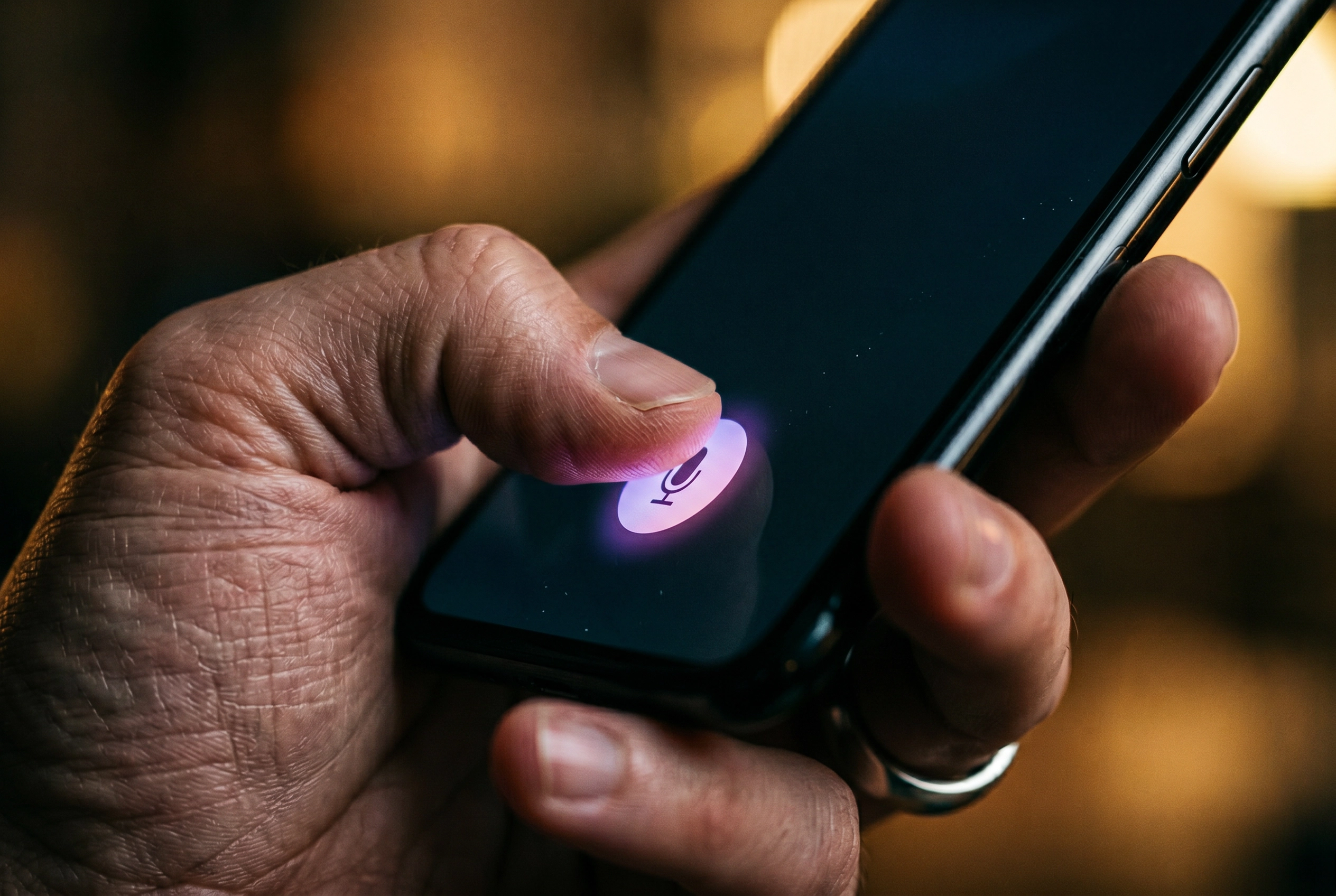
Inside a conversation, you press the mic, speak, and the AI responds. Features that help:
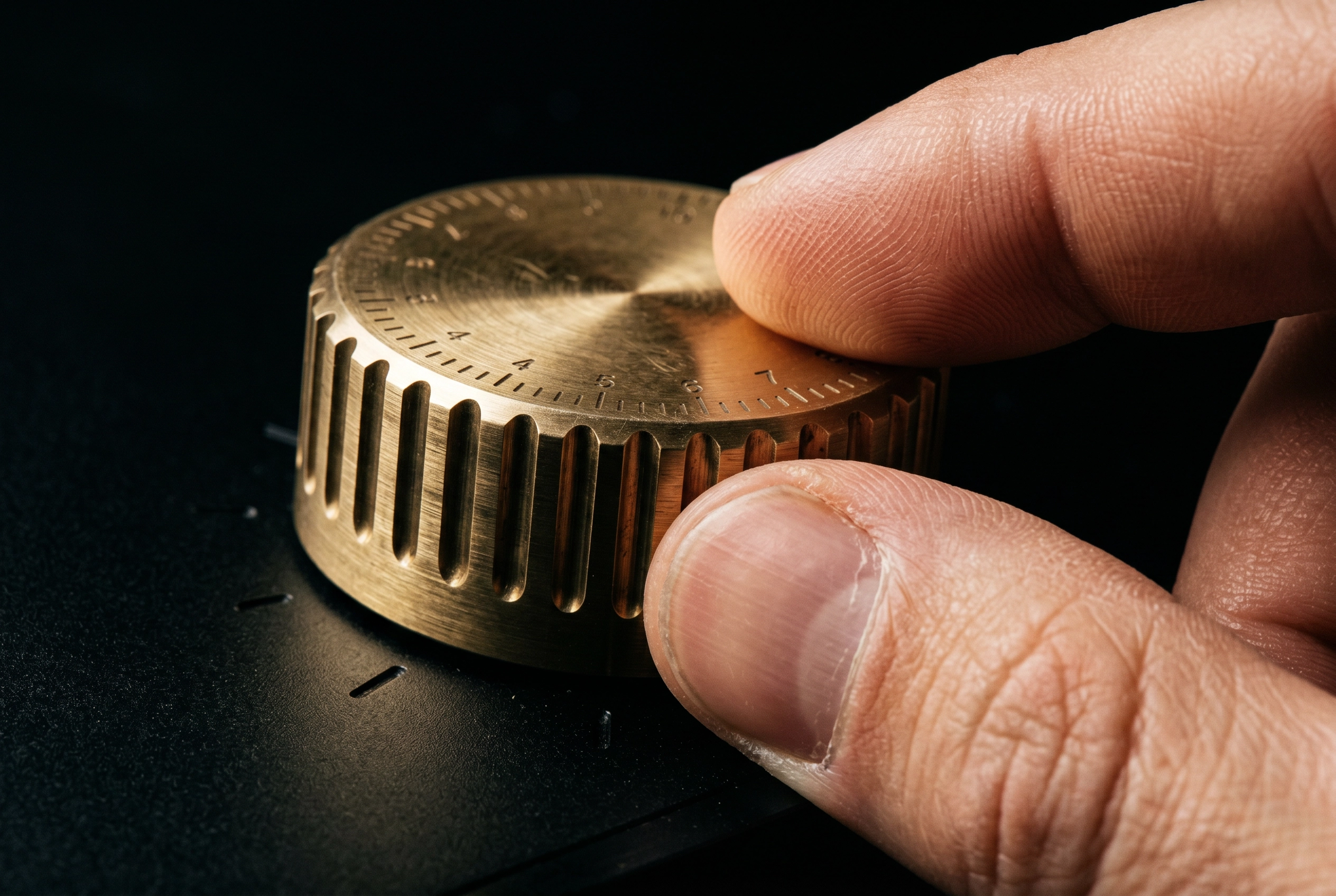
- Adjustable speech speed — slow it down or speed it up
- Tap any word for pronunciation or in-context explanation
- Smart reply suggestions when you're stuck
- Multilingual speech recognition — ask in your native language, get an answer in the target
- Real-time grammar feedback flags mistakes without breaking flow
- Transliterations for Chinese, Japanese, Korean, Thai, Greek
One important asterisk: pronunciation feedback is still in Beta and only works for American English. If you're learning Spanish, British English, or anything else, you won't get phoneme-level scoring — a significant gap for accent-focused learners.

Supported Languages
Gliglish is notably broad. The tool supports 38 language variations across roughly 30 unique languages, all unlocked under a single subscription:
- English — US, UK, Australian
- Spanish — Spain, Mexico
- Portuguese — Brazil, Portugal
- French — France, Canada
- German — Germany, Austria, Switzerland
- Chinese — Mainland, Taiwan
- Dutch — Netherlands, Belgium
- Plus Japanese, Korean, Italian, Russian, Polish, Thai, Vietnamese, Turkish, Swedish, Norwegian, Finnish, Danish, Czech, Slovak, Hungarian, Romanian, Croatian, Bulgarian, Greek, Indonesian, Malay, Filipino
For a learner juggling multiple languages, this is a genuine value proposition. Few competitors let you switch languages freely under one subscription.

The caveat: conversation quality varies by language. English, Spanish, French, and other widely-spoken languages feel polished. Smaller languages get the same engine but less-refined dialog design.
Academic Validation: What the Research Shows
Here's where Gliglish separates from most AI learning tools: actual peer-reviewed research. Three studies stand out.
Guaillas Gualán & Armijos Ramírez (2024) measured pre- and post-test results in a 6-week study at an Ecuadorian public secondary school. Students using Gliglish improved their overall speaking score by 75% (4.69 → 8.24). Every sub-skill improved: grammar +76%, pronunciation +105%, fluency +91%, comprehension +38%, vocabulary +94%. Published in Revista Científica Multidisciplinar G-nerando.
Thao, Ly, Thu & Kien (2025) ran an 8-week quasi-experimental study with 30 first-year English-major students in Vietnam. The Gliglish group's VSTEP-aligned fluency score jumped from 49.6 to 61.0 — a +23% gain. The control group gained just 1.6 points. A paired-samples t-test confirmed significance at p < 0.001. Paper on ResearchGate.
Radhiyya, Nasution & Ginting (2025) studied 30 Thai Grade-7 learners across four Gliglish sessions. Speaking scores rose 19.25% (75 → 90). Confident speakers jumped from 6 to 21 out of 30. Voluntary after-school practice rose from 10 to 25 — Gliglish motivated learners to practice on their own time. Full paper at the Journal of English Language and Education.

Multiple peer-reviewed studies are rare for any AI language app. Most competitors rely on marketing testimonials. This research gives Gliglish a credibility moat that's hard to replicate.
What Gliglish Does Well
Fair credit where it's due:
- Zero-friction onboarding. No signup needed on web. Click, speak, done.
- Academic validation. Point skeptics at real research data, not app store reviews.
- 30+ languages under one subscription. Multilingual learners save money.
- Multilingual speech recognition. Beginners can ask questions in their native language — a real safety net.
- Adjustable speed. A kindness to beginners that many AI tools skip.
- Judgment-free practice. The psychological unlock is real — useful for anyone working to overcome the fear of speaking English.
- Low commitment. Two minutes during a coffee break keeps momentum alive.

Duolingo taught you words. No one taught you to speak.
PracticeMe: real voice conversations with an AI tutor, 24/7.
Where Gliglish Falls Short
The honest limitations:
- 10 minutes/day on the free plan isn't enough. Great for sampling, not serious progress. Real learners need 20–40 minutes daily.
- Paid plans are expensive. Gliglish Plus Monthly is roughly twice what Practice Me Pro charges.
- UX feels unpolished. Compared to funded competitors, this is clearly a solo-founder product. It works, but it doesn't delight.
- No tutor personalities. One default AI voice per language. Every conversation feels the same.
- No vocabulary saving. New words don't get added to a study deck. You're copy-pasting into notes.
- Minimal progress data. No dashboard showing speaking time, vocabulary growth, or improvement trends.
- No proficiency placement test. Beginners get dropped into conversations with no calibration.
- Pronunciation feedback is US English only (Beta). No phoneme-level scoring for British English, Spanish, French, or German.
- Conversations feel repetitive after a few weeks — a consistent complaint on Medium, Capterra, and r/languagelearning.
- Feedback is often brief. You get a correction, but not always an explanation of why.
- App Store rating is 2.0 stars (small sample, but reflects limited iOS traction).

Gliglish vs Practice Me: How They Compare
This Gliglish review wouldn't be complete without a direct comparison. Gliglish and Practice Me solve related problems in different ways. Gliglish is a multilingual generalist: one tool, any language. Practice Me is an English specialist: one language, every feature tuned for it.
Tutor experience. Gliglish gives you one default AI voice per language. Practice Me gives you three distinct tutor personalities — Sarah, Oliver, and Marcus — each specialized across everyday conversation, academic English, travel, job interviews, and storytelling. Personality variety changes how conversations feel over weeks of use.
Accents. Gliglish offers US, UK, and Australian English, but pronunciation feedback is US-only (Beta). Practice Me has dedicated American and British accent tutors as a first-class feature.
Vocabulary. Gliglish doesn't save words from conversations. Practice Me automatically captures new vocabulary from every session — the feature that compounds over months. If building English vocabulary through conversations is your goal, this is the difference between making progress and forgetting it.
Progress data. Gliglish shows minimal metrics. Practice Me tracks speaking time, vocabulary growth, and improvement trends.
Pricing. Gliglish has a free tier (real advantage) but Plus is a paid subscription. Practice Me has no free tier but Pro comes with a 3-day free trial via the App Store or Google Play. For daily use, Practice Me's cost-per-minute is substantially lower.
Target user. Gliglish serves casual multi-language hobbyists and classroom deployments. Practice Me serves serious English learners, ESL/EFL students, professionals, and test-prep candidates.
Neither is "better" in the abstract. They're tuned for different learners.

Quick Comparison Table
| Feature | Gliglish | Practice Me |
|---|---|---|
| Languages | 30+ (38 variations) | English only |
| Free tier | 10 min/day (no signup on web) | 3-day free trial (iOS + Android); no free tier |
| Tutor personalities | 1 default AI voice per language | 3 personality-driven tutors |
| Accent selection | US, UK, Australian English | American and British English tutors |
| Pronunciation feedback | Beta; US English only | Yes, accent-specific |
| Vocabulary saving | No | Yes — automatic |
| Progress data | Minimal | Speaking time, vocabulary, trends |
| Roleplay scenarios | 20+ built-in | Adaptive to goals |
| Platforms | Web + iOS | iOS + Android |
| Academic research | 3+ peer-reviewed studies | Not formally studied |
| Best for | Multi-language hobbyists | Serious English learners |
Who Should Use Gliglish
Gliglish is a legitimately good fit if you are:
- A multi-language learner juggling two or three languages wanting one subscription
- A casual hobbyist wanting to dabble with zero commitment
- A budget-conscious learner who can make progress on 10 minutes per day
- A student or teacher wanting a research-backed tool for classroom use
- A traveler prepping for a short trip to a non-English country
- Curious about AI conversation and wanting to sample before paying
The free tier alone makes Gliglish worth trying for anyone here. For broader free options, see our rundown of the best free English speaking apps.
Who Should Choose Practice Me Instead
Practice Me will serve you better if you are:
- A serious English learner who needs more than 10 minutes daily
- A professional preparing for job interviews or business English
- A TOEFL or IELTS candidate who wants targeted English practice — our TOEFL speaking practice guide shows why specialization matters
- A learner who wants vocabulary to compound through automatic saving
- Someone who responds better to distinct tutor voices and personalities
- Focused on mastering an American or British accent
- A self-study learner who wants real progress data — see our guide on how to practice English speaking with AI
The trade-off is clear: give up multilingual breadth, gain English-specific depth.

Our Verdict
Gliglish deserves respect. The free tier is real. The research is real. The tool genuinely helps people speak languages and removes the biggest barriers — cost, scheduling, social anxiety — that keep learners from practicing at all.
What it isn't is a best-in-class English tool. Serious English learners rely on features — vocabulary compounding, progress analytics, tutor personality, accent-specific feedback, longer daily practice — that aren't really there. Gliglish is optimized for breadth, and breadth comes at the cost of depth.
Our honest Gliglish review recommendation: try the free tier for one to two weeks. It costs nothing. If you find yourself wanting more than 10 minutes a day or more English-specific polish — you've identified yourself as a serious learner, and a specialist tool will serve you better. Practice Me is built for exactly that step.

Still exploring? Our rundown of the best AI English tutor apps and our AI language learning apps guide help narrow down options. For another broad multilingual tool, see our TalkPal alternatives comparison.
Both tools can coexist in a learner's stack. The question isn't "which is better" — it's "which is better for where you are right now."
Frequently Asked Questions
Is Gliglish actually free?
Yes, the free plan is real and doesn't require a signup on the web version. You get 10 minutes of conversation per day and up to 50 messages per conversation, with limited access during peak hours. The 10-minute cap is enough to try the tool or maintain a daily speaking habit, but not enough for intensive practice. Unlimited conversations require a paid Plus subscription, cheapest on the annual plan.
How accurate is Gliglish's speech recognition?
Gliglish's multilingual speech recognition is generally solid for major languages like English, Spanish, French, and German. It can struggle with heavy non-native accents. Pronunciation feedback — phoneme-level scoring — is in Beta and only supports American English. If your goal is accent refinement in other languages, the feedback layer isn't mature enough yet.
Does Gliglish work for complete beginners?
Partially. The multilingual speech recognition and adjustable speed help beginners. However, Gliglish has no placement test and no structured curriculum — you're dropped into conversations with no calibration. True beginners may feel overwhelmed without a basic vocabulary foundation. Pairing this tool with a structured beginner course often works better than using it alone.
Is Gliglish better than ChatGPT for language learning?
It depends on what you value. Gliglish offers purpose-built language-learning features ChatGPT doesn't: grammar feedback, roleplay scenarios, transliterations for non-Latin scripts, and multilingual speech recognition designed for learners. ChatGPT's raw AI is more capable but lacks language-specific scaffolding. Our ChatGPT English practice guide covers the real trade-offs.
What's the best Gliglish alternative for English learners?
For English specifically, Practice Me is the closest head-to-head alternative with deeper specialization: three personality-driven tutors, dedicated American and British accent selection, automatic vocabulary saving, and progress tracking — at roughly half the price of Gliglish Plus. Tools like TalkPal, ELSA Speak, Loora, and Speak also compete in this space with different trade-offs.
Can you become fluent using only Gliglish?
Realistically, no — but this applies to every AI app. Fluency requires a combination of input (listening, reading), output (speaking, writing), and feedback loops. Gliglish is strong on output but doesn't deliver reading, listening, or structured grammar inputs. Use it as part of a stack, not a standalone solution. The 10-minute daily free tier also caps deliberate practice without an upgrade.
Does Gliglish have an Android app?
No. As of 2026, Gliglish is available only on iOS (iPhone, iPad, Apple Silicon Macs) and any web browser. Android users can still access Gliglish through their mobile browser at gliglish.com, though the experience isn't optimized like a native app.
How does Gliglish compare to Duolingo?
Different problems. Duolingo is a gamified, structured curriculum with bite-sized lessons across 37+ languages and limited AI conversation in its premium tier. Gliglish is pure conversation practice — no lessons, no gamification, just talking to an AI. Many learners use both: Duolingo for vocabulary and grammar, Gliglish (or a specialist) for actual speaking practice.