Duolingo taught you words. No one taught you to speak.
PracticeMe: real voice conversations with an AI tutor, 24/7.
Learn English for Turkish Speakers: Practice Guide

If you grew up in Turkey, you started learning English (İngilizce öğrenme) in primary school. You memorized grammar rules, aced the worksheets — and then someone asked you a simple question in English, out loud, and your mind went blank.
You're not alone, and you're not bad at English. This guide to English for Turkish speakers breaks down exactly why the language trips you up — the TH sound, the missing W, the "filim" effect — and gives you a 14-day plan to fix it by actually speaking. Whether you're a beginner or you've been learning English for years, the goal is the same: turn what you already know into what you can confidently say.
Quick Summary: Turkish speakers struggle most with English pronunciation (TH, W vs V, consonant clusters, the final NG) and three grammar patterns (word order, articles, the present perfect) — all predictable and fixable. The cure isn't more grammar; it's daily speaking practice. Below: every challenge with examples, a 25-word IPA table, and a two-week plan you can do out loud.
Why English for Turkish Speakers Feels Hard (Even After Years of School)
Here's the paradox. Turkey teaches English from primary school onward, yet only about 17% of the population can hold a conversation in it. On the 2025 EF English Proficiency Index, Turkey scored 488 and ranked #71 of 123 countries — the "low proficiency" band, down nine points from the year before.
Why? Turkey's reading score (503) sits well above its listening score (478) — the fingerprint of a system built around written grammar and translation, not conversation. You can parse a sentence on paper but freeze when you have to produce one in real time.
That gap between what you know and what you can do under pressure is a confidence problem, not a knowledge problem. You already know more English than you think; you just haven't trained your mouth and ears to use the English language live.
And the stakes keep rising — employers everywhere want people who can speak English:
- Tech. Istanbul and Ankara startups like Trendyol, Getir, and Peak Games often work in English, and plans to grow the AI sector are expected to create tens of thousands of jobs that prioritize English-speaking talent.
- Tourism. One of the world's most visited countries constantly hires English-capable staff in Antalya, Bodrum, and Istanbul.
- Remote work. A digital-nomad visa and remote hiring let Turkish professionals compete for international salaries — if they can speak.

Across all of it, one skill outranks the rest: speaking. The encouraging part? Almost every "Turkish mistake" in English is predictable. Turkish is a regular, phonetic language, so the spots where it collides with messy English are easy to map — and once you see the pattern, you can train it.
Pronunciation Challenges in English for Turkish Speakers
Turkish spelling is almost perfectly phonetic: one letter, one sound. English is the opposite — "ough" alone has six pronunciations — and it uses sounds Turkish doesn't have. If you're learning English as a Turkish speaker, this mismatch between the two languages is where most of your practice should go.
Six challenges cause most of the trouble. Every one is consistent, which means every one has a consistent fix.
The TH Sounds (/θ/ and /ð/)
English has two TH sounds; Turkish has neither:
- Voiceless /θ/ — think, three, month, bath
- Voiced /ð/ — the, this, mother, breathe
Most Turkish speakers reach for the closest substitute: /θ/ becomes T or S ("think" → tink/sink), and /ð/ becomes D or Z ("the" → de/ze).
The fix: Put your tongue lightly between your teeth and push air out — just air for /θ/, add voice for /ð/ so your throat buzzes. Drill minimal pairs like think/sink so your ear learns the difference too.
W vs V — The Sound Turkish Doesn't Have
Turkish has V but no W, so /w/ becomes /v/: west → vest, water → vater, would → vud, wine → vine. Sometimes it swings the other way through overcorrection.
The fix: For W, round your lips like you're about to kiss — no teeth. For V, your top teeth touch your bottom lip and buzz. Practice the contrast: west/vest, wine/vine, while/vile. Watch a mirror; if your teeth touch on a W word, reset and round.
Consonant Clusters and the "Filim" Effect
Turkish dislikes stacked consonants, so it slips in a small vowel to break them up — a process called vowel epenthesis. It reshapes borrowed words: film → filim, train → tiren, group → gurup, station → istasyon.
That instinct follows you into English, especially with s + consonant starts and crowded endings: school → iskul, street → sitreet, student → situdent.

The fix: Blend consonants with no vowel between them. Start slow — "s—chool" — then speed up until the gap closes. For s-clusters, hold the "sss" and snap into the next sound: sssschool. Final clusters like -lds (worlds) and -sts (texts) just take patient repetition.
The Final NG Sound (/ŋ/)
The /ŋ/ in sing, running, and English is one sound at the back of the mouth. Turkish speakers either add a hard G ("sing" → singg) or drop to N ("running" → runnin).
The fix: Say "sing" and freeze with the back of your tongue raised, blocking the air — but don't release a G. The sound hums and stops. Practice: sing, song, ring, morning. Note that "English" really does have a hard G — ING-glish — while "singing" has two clean /ŋ/ sounds and none.
Vowels, Diphthongs, and Vowel Harmony
Turkish has 8 clean vowels and almost no diphthongs, a feature of Turkish phonology that makes it easy to read aloud. English has about 12 vowels plus 8 diphthongs, so two problems follow.
Vowel pairs collapse. If two English vowels sound the same to a Turkish ear, they merge: ship/sheep (/ɪ/ vs /iː/), full/fool (/ʊ/ vs /uː/), cat/cut (/æ/ vs /ʌ/).
Every vowel gets full value. English crushes unstressed vowels into a lazy "uh" — the schwa (/ə/) — in about, family, banana. Turkish speakers say every syllable at full strength (ba-na-na), which sounds non-native.
The fix: Make the schwa a target. Say comfortable the native way — KUMF-tər-bəl, swallowing vowels — and exaggerate the reduction. Train the vowel pairs as minimal pairs so your ear stops merging them.
Word Stress: Turkish Stresses the End, English Doesn't
Turkish stress is predictable — usually the last syllable. English stress sits anywhere and moves as a word changes:
- PHO·to → pho·TO·gra·phy → pho·to·GRA·phic
- RE·cord (noun) → re·CORD (verb)
Wrong stress confuses native speakers more than a TH that slips into a T.
The fix: Learn words as rhythms. Clap the beats, mark the strong syllable, and find it first in long words. Our English word stress rules guide breaks down the patterns, and connected speech helps you string it together.
Grammar Pitfalls for Turkish Speakers
Grammar is the part of learning English that Turkish schools teach well, so the issue isn't knowledge — it's retraining the order you think in. These four patterns cause the most trouble, and focused practice on each one helps fast.

Word Order: SOV vs SVO
Turkish is SOV (verb last); English is SVO (verb after the subject):
- Turkish: Ben dün sinemaya gittim → literally "I yesterday to-the-cinema went."
- English: I went to the cinema yesterday.
Saving the verb for the end your whole life makes committing early feel uncomfortable — and that hesitation breeds anxiety.
The fix: Speak in short subject–verb–object chunks: "I want… a coffee." "She works… in Izmir." Don't build the Turkish sentence and translate it. Learning to stop translating in your head is the biggest unlock here.
Articles (a, an, the) — Turkish Has None
Turkish has no the (it uses bir, "one," loosely like a/an), so:
- ❌ She is doctor. → ✅ She is a doctor.
- ❌ I'm going to cinema. → ✅ I'm going to the cinema.
The fix: Use a/an the first time you mention a single countable thing (I saw a dog), and the when you both know which one (the dog was huge). Uncountable ideas (water, music, love) usually take no article. Articles are the last thing most learners master — don't stress about them.
He, She, It — One Word in Turkish
Turkish uses one pronoun, o, for he, she, and it — no gender. Hence the most charming Turkish slip in English: My sister? He is a nurse. / My father… she lives in Ankara.
The fix: Build a half-second pause before pronouns until the choice is automatic. Telling real stories out loud wires this in faster than written exercises, because conversation forces the choice again and again.
The Present Perfect Tense
English uses have/has + past participle for actions linking the past to now. Turkish has no direct equivalent:
- ❌ I live here since 2020. → ✅ I have lived here since 2020.
- ❌ I am here since five years. → ✅ I have been here for five years.
The fix: Use since for a start point (since 2020) and for for a length of time (for five years), paired with have/has and a past participle. Drill them with facts about your own life.
Duolingo taught you words. No one taught you to speak.
PracticeMe: real voice conversations with an AI tutor, 24/7.
Vocabulary: False Friends and Helpful Cognates
Good news: about 3% of English words have a Turkish look-alike, and most are genuine cognates that help you — doktor, telefon, televizyon, otobüs, polis, müzik, problem, sistem, ofis, restoran. Leaning on cognates is one of the easiest wins in language learning, especially early on.
But a handful are false friends — familiar-looking, with a totally different meaning:
| Turkish word | What it means in Turkish | The English look-alike — and what it actually means |
|---|---|---|
| market | a small corner grocery shop | market = a marketplace or bazaar (Turkish: pazar) |
| apartman | an apartment building | apartment = a single unit/flat (Turkish: daire) |
| tost | a grilled, pressed sandwich | toast = toasted bread (Turkish: kızarmış ekmek) |
| petrol | crude oil | petrol (UK) = gasoline (Turkish: benzin) |
| formasyon | a teacher-training certificate | formation = the act of forming something |
| aktüel | topical, current | actual = real, true (Turkish: gerçek) |
| tente | an awning | tent = a camping tent (Turkish: çadır) |
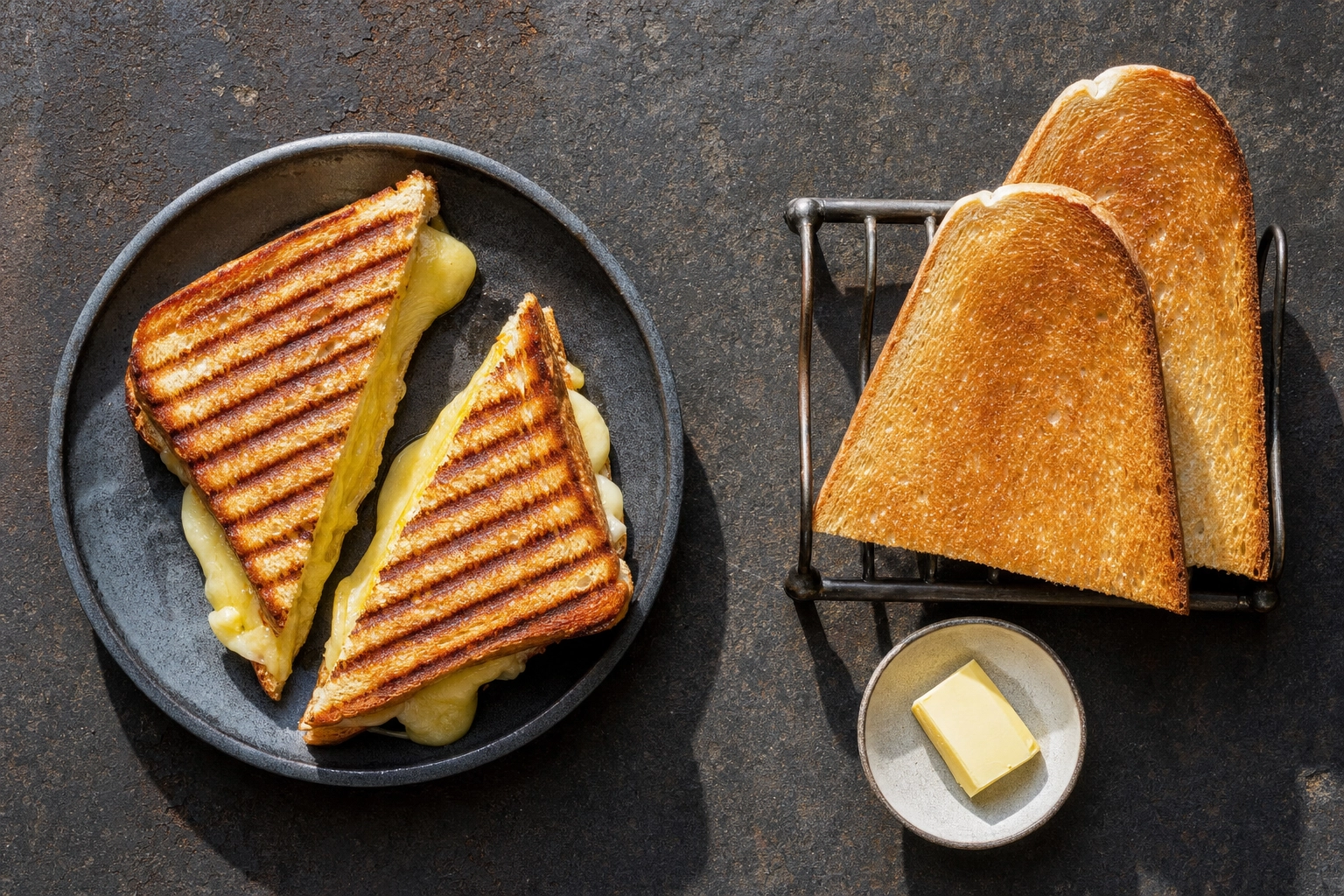
The fix: Lean on cognates for confidence, but flag the false friends and say the real English word in a full sentence. "I bought it at the supermarket" a few times overwrites the urge to say "market."
25 Hard English Words for Turkish Speakers (with IPA)
These words pack the sounds Turkish speakers find hardest — TH, W, clusters, the final NG, the schwa. Read each one out loud: the IPA shows the target, the tip shows the trap.
| # | Word | IPA | Why it's hard | Pronunciation tip |
|---|---|---|---|---|
| 1 | think | /θɪŋk/ | TH + final NK | Tongue between teeth — not tink or sink |
| 2 | three | /θriː/ | TH next to R | TH-ree, never tree |
| 3 | the | /ðə/ | voiced TH + schwa | Buzzing th + soft "uh", not ze/de |
| 4 | clothes | /kloʊðz/ | TH + Z cluster | Almost "clohz" — blend the ending |
| 5 | month | /mʌnθ/ | N + TH ending | Don't drop to "mont" |
| 6 | world | /wɜːrld/ | W + R + LD cluster | Round lips for W, no vowel before LD |
| 7 | water | /ˈwɔːtər/ | W start | Lips rounded, not "vater" |
| 8 | would | /wʊd/ | W + short vowel | "wood", not "vud" |
| 9 | west | /wɛst/ | W start | Kiss-shaped lips, not "vest" |
| 10 | film | /fɪlm/ | LM ending | One syllable — resist "filim" |
| 11 | school | /skuːl/ | SK onset | No "i" in front — not "iskul" |
| 12 | street | /striːt/ | STR onset | Blend S-T-R, not "sitreet" |
| 13 | spring | /sprɪŋ/ | SPR + NG | Cluster start, clean NG end |
| 14 | student | /ˈstjuːdənt/ | ST + schwa | Not "situdent" |
| 15 | thing | /θɪŋ/ | TH + NG | Not "sing" or "thingg" |
| 16 | English | /ˈɪŋɡlɪʃ/ | NG + hard G | ING-glish, stress the first beat |
| 17 | comfortable | /ˈkʌmftəbəl/ | stress + schwas | KUMF-tuh-bul, only three beats |
| 18 | vegetable | /ˈvɛdʒtəbəl/ | dropped syllable | VEJ-tuh-bul, not "ve-ge-ta-ble" |
| 19 | Wednesday | /ˈwɛnzdeɪ/ | silent D + W | "WENZ-day" |
| 20 | squirrel | /ˈskwɪrəl/ | SKW + R | Possibly the hardest cluster in English |
| 21 | February | /ˈfɛbruəri/ | R cluster + schwa | FEB-roo-eh-ree |
| 22 | clothes vs close | /kloʊðz/ vs /kloʊz/ | TH or no TH | Hear the buzzing th only in clothes |
| 23 | rural | /ˈrʊrəl/ | two R's | Relax the tongue; don't trill it |
| 24 | twelfth | /twɛlfθ/ | LFTH ending | Four consonants — go slow |
| 25 | beautiful | /ˈbjuːtɪfəl/ | "you" glide + schwa | BYOO-ti-ful |
Reading the list won't help — your mouth learns by doing. Say each word ten times, then use it in a sentence. For more, our hardest English words to pronounce guide sorts challenges by native language, and tongue twisters make TH and cluster drills fun.
Cultural Communication: Turkish Formality vs English Casualness
Speaking well is also about register — how formal or casual you are — and Turkish and English pull in opposite directions.
Turkish is high-context and relationship-first, with formality built into the grammar: sen vs siz, honorifics like Bey and Hanım, and warm openings before the point. Being too direct can feel rude.
English — especially American — runs the other way: first names within minutes, no elaborate openings, get to the point. What feels blunt to a Turkish speaker is, to an English speaker, just efficient and friendly.

A few adjustments:
- Directness isn't rudeness. "I disagree" or "Can you send that by Friday?" is normal and professional.
- Small talk is social glue. "How was your weekend?" isn't nosy — a short, light answer is perfect.
- Casual and polite coexist. "Hey, could you help me with this?" is friendly and respectful at once.
- Match the room. An English job interview is still formal — just less so than the Turkish version.
The fastest way to internalize register is to use it in realistic situations, not read about it.
Your 14-Day English Speaking Plan with Practice Me
You have the grammar; you need reps — speaking, making mistakes, adjusting. Most Turkish learners have no one to practice with, and speaking in front of people is exactly what triggers the anxiety. The fastest way to learn English for Turkish speakers isn't another grammar book; it's consistent English speaking practice.
That's the gap Practice Me closes. It's a judgment-free app for real-time voice conversations with AI tutors in American and British accents, 24/7. The tutors remember you across sessions, save the vocabulary you use, and never sigh or embarrass you — the whole point when confidence is fragile.
Aim for 15–20 minutes a day:
Days 1–3 — Sounds Turkish doesn't have. Focus on TH and W. Talk about your day and consciously hit every think, the, three, west, water. Let the tutor model each sound; copy it. Add minimal pairs (west/vest, think/sink).
Days 4–6 — Clusters and the NG. Talk about work or studies — school, street, project, planning, working, English come up constantly. Slow down on clusters and resist the "filim" vowel.
Days 7–9 — Word order and articles. Tell stories about your weekend, city, and family in short subject-verb-object sentences. This surfaces a/an/the and the he/she choice. Speak directly; don't pre-translate.
Days 10–12 — Tenses and real scenarios. Practice the present perfect about your own life ("I have worked here for three years"), then role-play a job interview or hotel check-in using the topic starters.

Days 13–14 — Put it together. Have two longer, unscripted conversations on topics you care about. Check your dashboard — speaking time, new vocabulary, trends — and notice how much less you're translating. That's the confidence gap closing.
Because the tutors are always available and never judge, you can practice before an interview, on your commute, or at midnight. For busy professionals in Istanbul or Ankara — or anyone in the Turkish diaspora — that flexibility is the difference between "studying English" and speaking it. For a broader roadmap, pair this with our learn English fast guide and speaking confidence checklist.
Curious how your first language compares? See our sister guides for English for German speakers, English for Arabic speakers, and English for Brazilian Portuguese speakers.
Frequently Asked Questions
Why is English pronunciation so hard for Turkish speakers?
Because Turkish is phonetic and regular while English is neither. Turkish has one sound per letter and no TH or W, so those sounds must be built from scratch. Add unpredictable spelling, reduced schwa vowels, and consonant clusters Turkish breaks up with extra vowels, and pronunciation becomes the steepest part of learning the language. The upside: the problems are consistent, so targeted speaking practice fixes them fast.
What is the hardest English sound for Turkish speakers?
The two TH sounds (/θ/ in think, /ð/ in the) — neither exists in Turkish and the tongue position feels unnatural. A close second is W, replaced with V (west → vest). Both are very trainable once you can hear the difference, which is why minimal-pair drills help so much.
How long does it take a Turkish speaker to become fluent in English?
It depends on your level and how much you speak. Many Turkish learners already have strong grammar and reading, so the real bottleneck is speaking confidence — which can improve in a few weeks of daily practice. Comfortable conversational fluency usually takes several months of consistent talking. The key variable is output: 15–20 minutes of speaking daily beats hours of silent review.
Can I practice English speaking without a partner or teacher?
Yes — that's exactly what AI conversation tools are for. With Practice Me you have real-time voice conversations whenever you want: no scheduling, no cost-per-hour, and no judgment. It won't replace living abroad, but for daily speaking reps it's faster, cheaper, and far less stressful than waiting for a human partner.
Should Turkish speakers learn American or British English?
Either — pick by goal. American if you work with US companies or media; British for the UK, European business, or academic English. The grammar is about 95% identical; the differences are accent and some vocabulary. Practice Me offers both accents, so you can train your ear to whichever you need.
Is having a Turkish accent in English a problem?
Not at all. A Turkish accent is often called one of the most pleasant in English, and the goal is clarity, not erasing who you are. Fixing a few high-impact issues — TH, W vs V, word stress, the "filim" vowel — clears up miscommunication while keeping your accent's character.
Start Speaking English with Confidence
Notice what happened: every challenge in this guide to English for Turkish speakers — the TH, the missing W, the "filim" effect, SOV word order, the disappearing articles — turned out to be predictable. Predictable problems are solvable. You don't have a talent problem; you have a practice problem, and that's the easy kind to fix.
School gave you the grammar. What's left is the part no worksheet teaches: opening your mouth, again and again, until you speak English the way you always knew you could — until it stops feeling like a test and starts feeling like you.
Start your 3-day free trial of Practice Me, pick American or British, and have your first conversation today — see plans and pricing and start speaking.