Duolingo taught you words. No one taught you to speak.
PracticeMe: real voice conversations with an AI tutor, 24/7.
English for US Citizenship Interview: Practice Guide
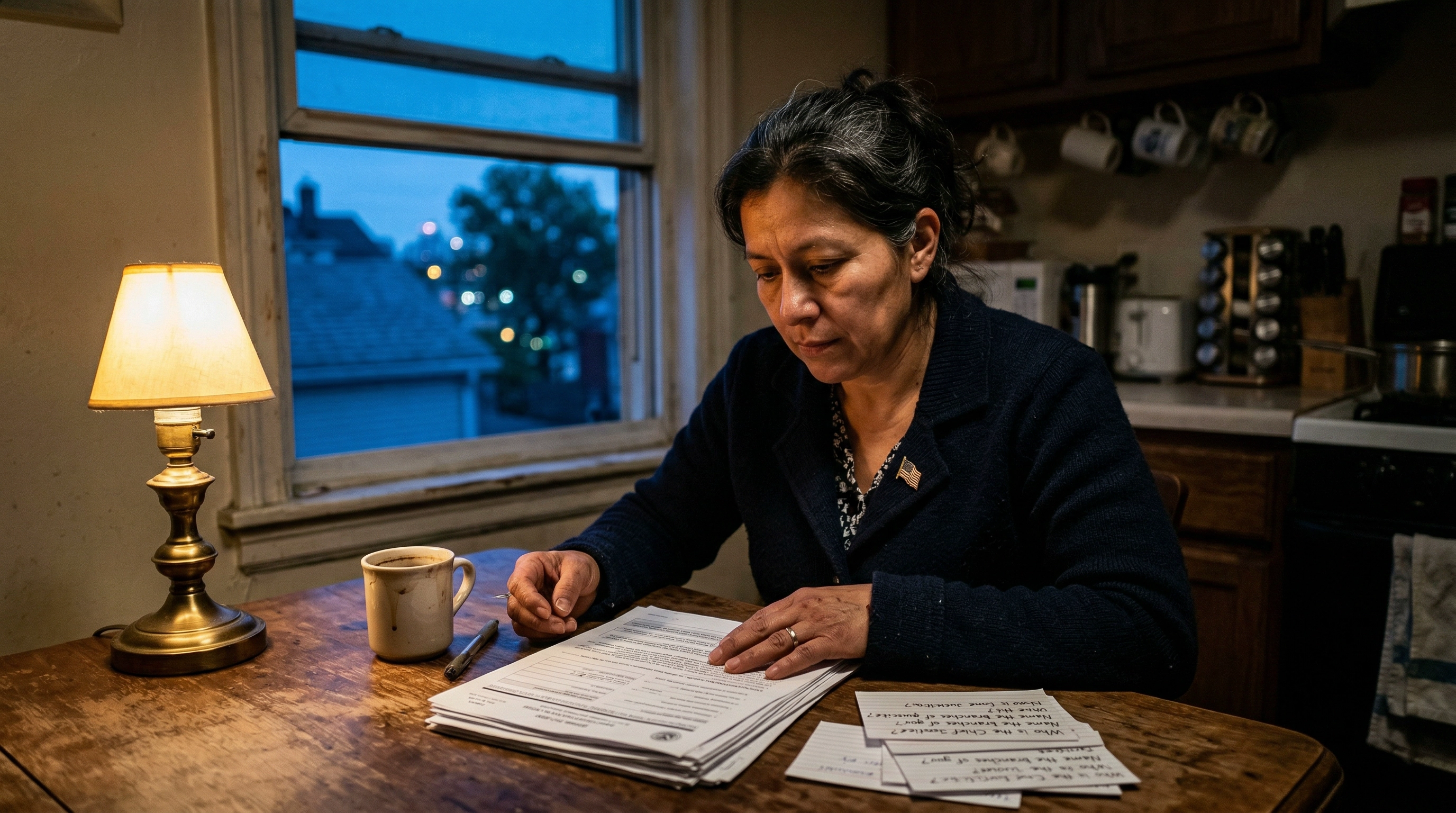
Looking for english speaking practice for a US citizenship interview? You're in the right place. Your naturalization interview is approaching, you've memorized civics answers, and your N-400 form is filed. But imagining yourself in a USCIS office answering questions in English with your future on the line — that's terrifying.
You're not alone. Even immigrants who speak English every day freeze when the stakes are this high. The good news: the English portion of the citizenship test is designed for basic communication, not perfection. With the right practice, you can walk in confident.
This guide covers exactly what the USCIS English test involves, the N-400 questions you'll be asked out loud, essential vocabulary and pronunciation tips, and a 30-day practice plan to prepare you for the citizenship interview.
Quick Summary: The USCIS citizenship English test evaluates basic speaking, reading, and writing. You don't need perfect English — just clear communication. With 95.7% of applicants passing overall, preparation (not perfection) is what matters. This guide gives you everything to practice and a week-by-week plan.
What the USCIS English Test Actually Involves
The English portion of the naturalization test has three components: speaking, reading, and writing. Here's what each looks like — no surprises.
The Speaking Component (The Part That Scares People Most)
There is no separate "speaking test." The USCIS officer evaluates your English speaking ability throughout the entire interview — starting from the moment you walk in.
Even small talk counts. When the officer says "Good morning, how are you today?" or "Did you find our office okay?" — they're assessing whether you understand and can respond in basic English.
The main speaking evaluation happens when the officer reviews your N-400 form and asks about your background. You answer in your own words, in English.
What officers look for:
- Can you understand questions asked in English?
- Can you respond with clear answers?
- Can you communicate basic information about yourself?
What officers are NOT looking for:
- Perfect grammar
- No accent
- Complex vocabulary
- Long, detailed answers
According to the USCIS Policy Manual, applicants only need to demonstrate English "in ordinary usage" — and the policy explicitly allows "noticeable errors in pronouncing, constructing, spelling, and understanding" as long as communication is comprehensible.
You can make mistakes and still pass the English test.
The Reading Component
The officer shows you up to three sentences on a screen or card. Read one sentence out loud correctly and you pass this section.
Sentences use words from the official USCIS reading vocabulary list, organized by category:
- People: Abraham Lincoln, George Washington
- Civics: American flag, Bill of Rights, capital, citizen, Congress, government, President, Senators, White House
- Places: America, United States, U.S.
- Holidays: Presidents' Day, Memorial Day, Independence Day, Labor Day, Thanksgiving
- Verbs: can, come, elect, have, is, lives, meet, vote, want
Example reading sentences:
- "Who was the first President of the United States?"
- "Citizens can vote for the President."
- "Abraham Lincoln was President during the Civil War."
These are simple, short sentences. If you can read this article, you can handle the reading test.
The Writing Component

The officer dictates a sentence. You write it down. You get up to three attempts — write one sentence correctly and you pass.
The USCIS writing vocabulary contains about 75 words:
- People: Adams, Lincoln, Washington
- Civics: American Indians, capital, citizens, Civil War, Congress, flag, freedom of speech, President, right/rights, Senators, White House
- Places: Alaska, California, New York, Washington, D.C.
- Months: February, May, June, July, September, October, November
Example writing sentences:
- "Congress meets in Washington, D.C."
- "Citizens have the right to vote."
- "The President lives in the White House."
You don't need perfect spelling or punctuation. The officer just needs to understand what you wrote.
N-400 Interview Questions You'll Be Asked Out Loud
The N-400 review is the heart of your citizenship interview — and the core of your English speaking assessment. The USCIS officer goes through your application and asks questions directly from it. This is where English speaking practice for a US citizenship interview makes the biggest difference.
Knowing your own N-400 answers is the single most important preparation step.
Personal Information Questions
The officer will ask questions like:
| Question | Example Answer |
|---|---|
| "What is your full legal name?" | "My name is Maria Elena Rodriguez." |
| "What is your date of birth?" | "I was born on March 15, 1985." |
| "What is your current home address?" | "I live at 742 Oak Street, Apartment 3B, Houston, Texas." |
| "What is your marital status?" | "I am married." |
| "How many children do you have?" | "I have two children." |
| "What is your current job?" | "I work as a medical assistant at Houston General Hospital." |
Practice tip: Don't memorize word-for-word scripts. Practice saying the information naturally, as if explaining to a friendly neighbor. The officer wants to hear you communicate, not recite.
Background and Moral Character Questions
These questions determine whether you meet the "good moral character" requirement for naturalization:
- "Have you traveled outside the United States in the last five years?"
- "Have you ever been arrested or charged with a crime?"
- "Do you owe any overdue federal, state, or local taxes?"
- "Have you ever been a member of any organization, association, or group?"
- "Are you willing to take the full Oath of Allegiance to the United States?"
- "Do you understand the duties and responsibilities of U.S. citizenship?"
For most, the answer is a simple "yes" or "no" — but be prepared to explain. If you traveled, the officer will likely ask "Where did you go?" and "How long were you there?"
Answer honestly and clearly. If you don't understand a question, say: "I'm sorry, could you please repeat that?" Asking for clarification does not count against you.
The 2025 Civics Test: What Changed
If you filed your N-400 on or after October 20, 2025, you take the updated 2025 civics test:
| Before (2008 Test) | Now (2025 Test) | |
|---|---|---|
| Question pool | 100 questions | 128 questions |
| Questions asked | Up to 10 | 20 |
| Correct to pass | 6 | 12 |
| Format | Oral (English) | Oral (English) |
According to USCIS, roughly 75% of the questions are similar to the old test. The remaining 25% covers civic duties, U.S. achievements, and expanded history.
65/20 Exemption: If you're 65+ and have been a lawful permanent resident for 20+ years, you study only 20 specially selected questions and answer just 10 during the interview.
The civics test is given orally in English — making it part of your speaking assessment too. Practice answers out loud, not silently.
Essential Vocabulary for Your Citizenship Test
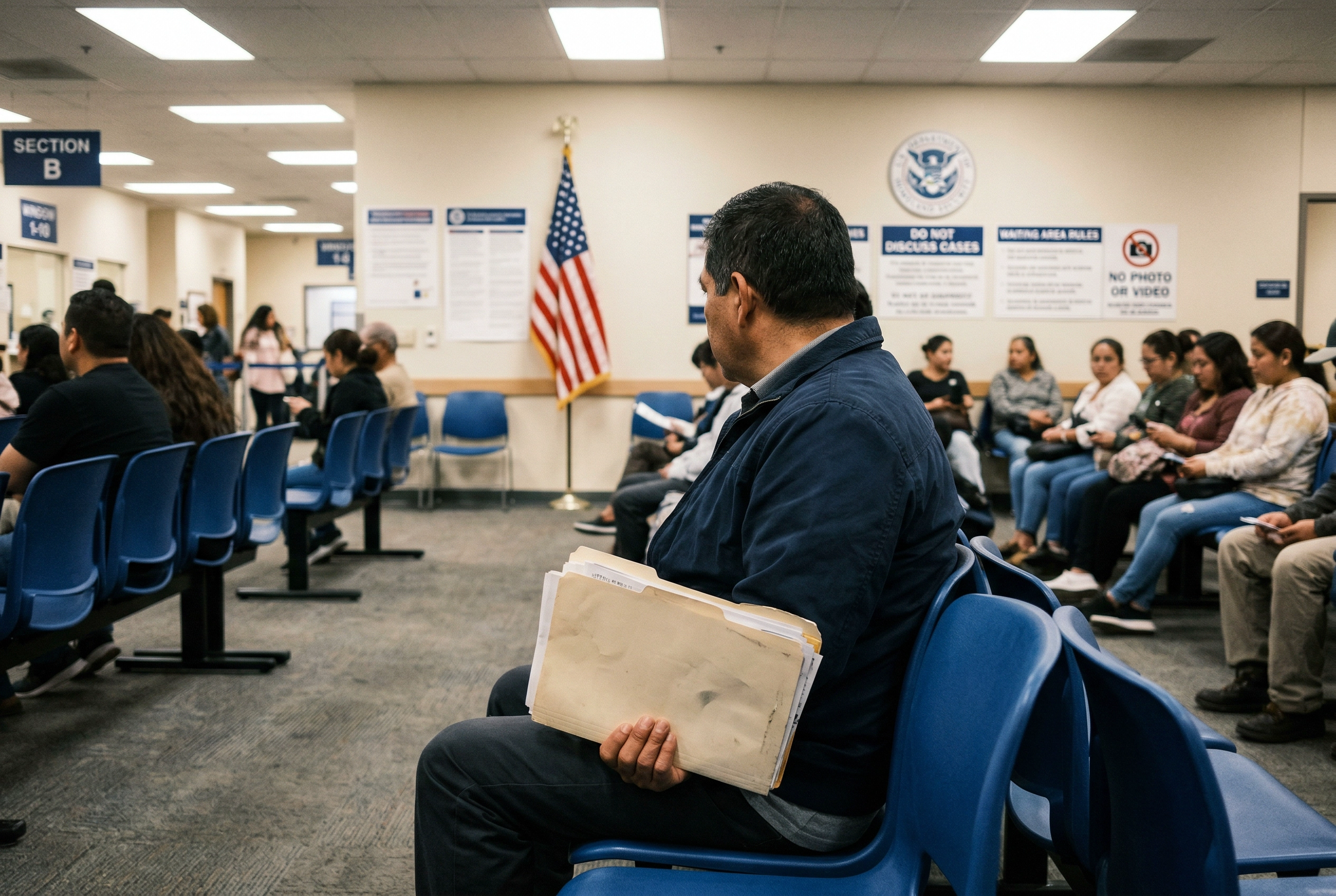
Beyond the reading and writing word lists, you need to comfortably say dozens of civics terms during your interview. These are the words that trip people up most:
Government Structure: Congress, Senate, House of Representatives, amendments, Constitution, Bill of Rights, Supreme Court, Electoral College, executive branch, legislative branch, judicial branch
Historical Terms: Revolutionary War, Civil War, Declaration of Independence, Emancipation Proclamation, Founding Fathers, colonists, independence
Civic Concepts: naturalization, allegiance, liberty, democracy, republic, citizen/citizenship, taxation, representation
Geography: territories, the Capitol (the building), the capital (Washington, D.C.), borders, states
Practice each word in a complete sentence — "The Constitution has 27 amendments" is better practice than repeating "amendments" alone.
Duolingo taught you words. No one taught you to speak.
PracticeMe: real voice conversations with an AI tutor, 24/7.
Pronunciation Tips for Citizenship English Vocabulary
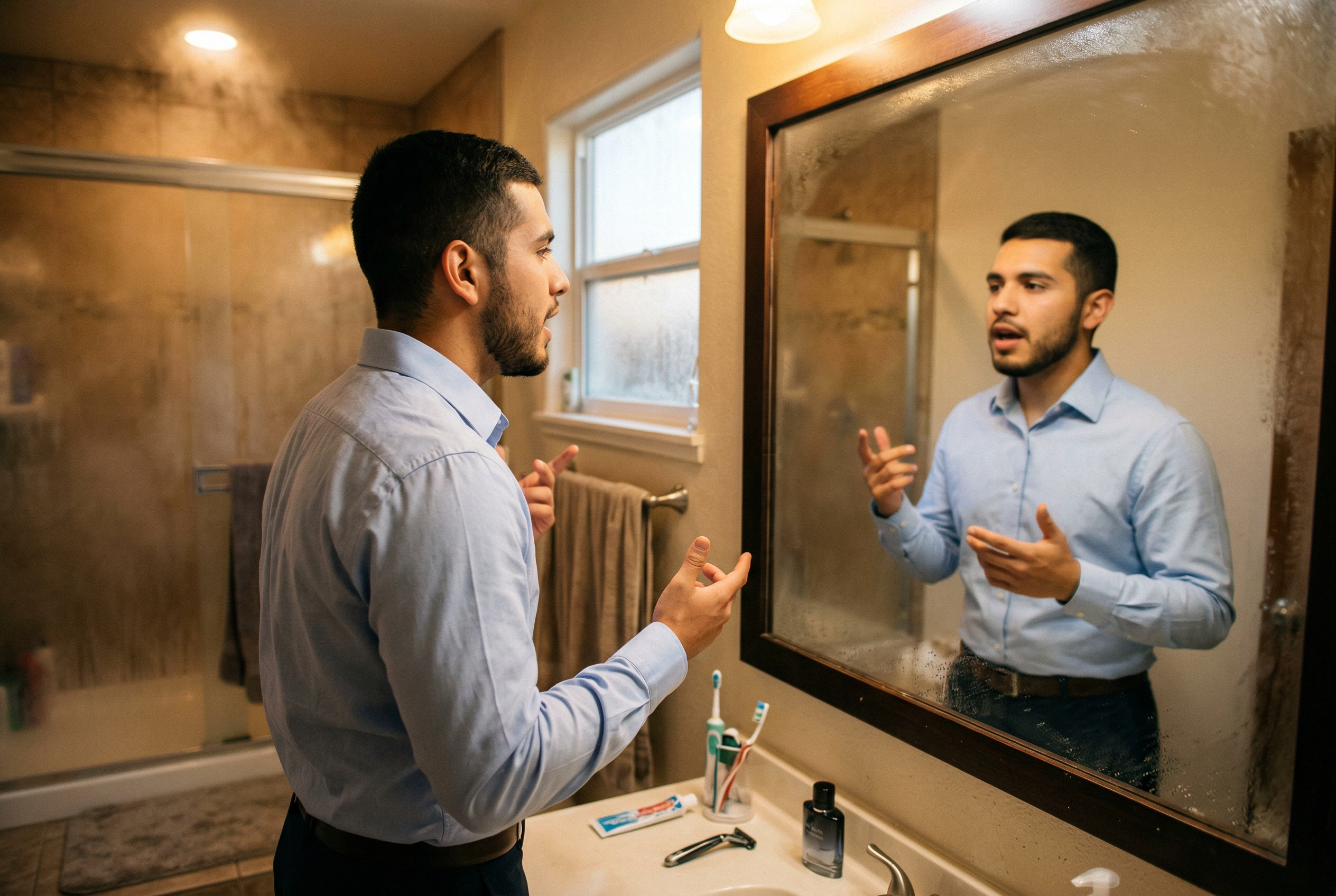
You don't need a perfect American accent. But being understood clearly matters. Here are the citizenship vocabulary words that commonly cause pronunciation trouble:
Break long words into syllables:
- na-tu-ra-li-ZA-tion (6 syllables, stress on "ZA")
- Con-sti-TU-tion (4 syllables, stress on "TU")
- a-MEND-ment (3 syllables, stress on "MEND")
- rep-re-ZEN-ta-tive (5 syllables, stress on "ZEN")
- al-LE-giance (3 syllables, stress on "LE")
- e-MAN-ci-PA-tion (5 syllables, stress on "PA")
Common pronunciation traps:
- "Congress" — say "KONG-gress" not "con-GRESS"
- "President" — say "PREZ-ih-dent" (3 syllables, not 4)
- "United States" — "yoo-NY-ted STATES" (the "d" in "United" is soft)
- "Government" — "GUV-ern-ment" (first syllable sounds like "guv")
- "Amendment" — "uh-MEND-ment" (don't skip the middle syllable)
Best method: Say each word inside a real sentence, out loud, repeatedly. Record yourself and listen back. You'll notice improvements quickly.
For a deeper dive, see our guide to English pronunciation practice for beginners.
Why the Citizenship Interview Feels So Terrifying

The citizenship interview is one of the most high-pressure English speaking situations that exists. You're not ordering coffee — you're in a government office answering questions from an officer who can approve or deny your application. Your residency, your family's stability, years of waiting — it all comes down to this conversation.
Immigration attorney Richard T. Herman described it well: "I've watched brilliant, hardworking immigrants freeze during simple questions because of anxiety."
Speaking a second language under stress activates fight-or-flight. Words you know well suddenly disappear. Your mind goes blank. The problem isn't your English — it's the pressure.
That's why the best preparation goes beyond vocabulary. It means practicing English speaking under interview pressure until your mouth remembers the answers even when your brain is panicking.
If fear of speaking English affects you beyond the citizenship test, read about how to overcome the fear of speaking English. You can also explore xenoglossophobia — the specific fear of speaking foreign languages.
Your 30-Day English Speaking Practice Plan for Citizenship
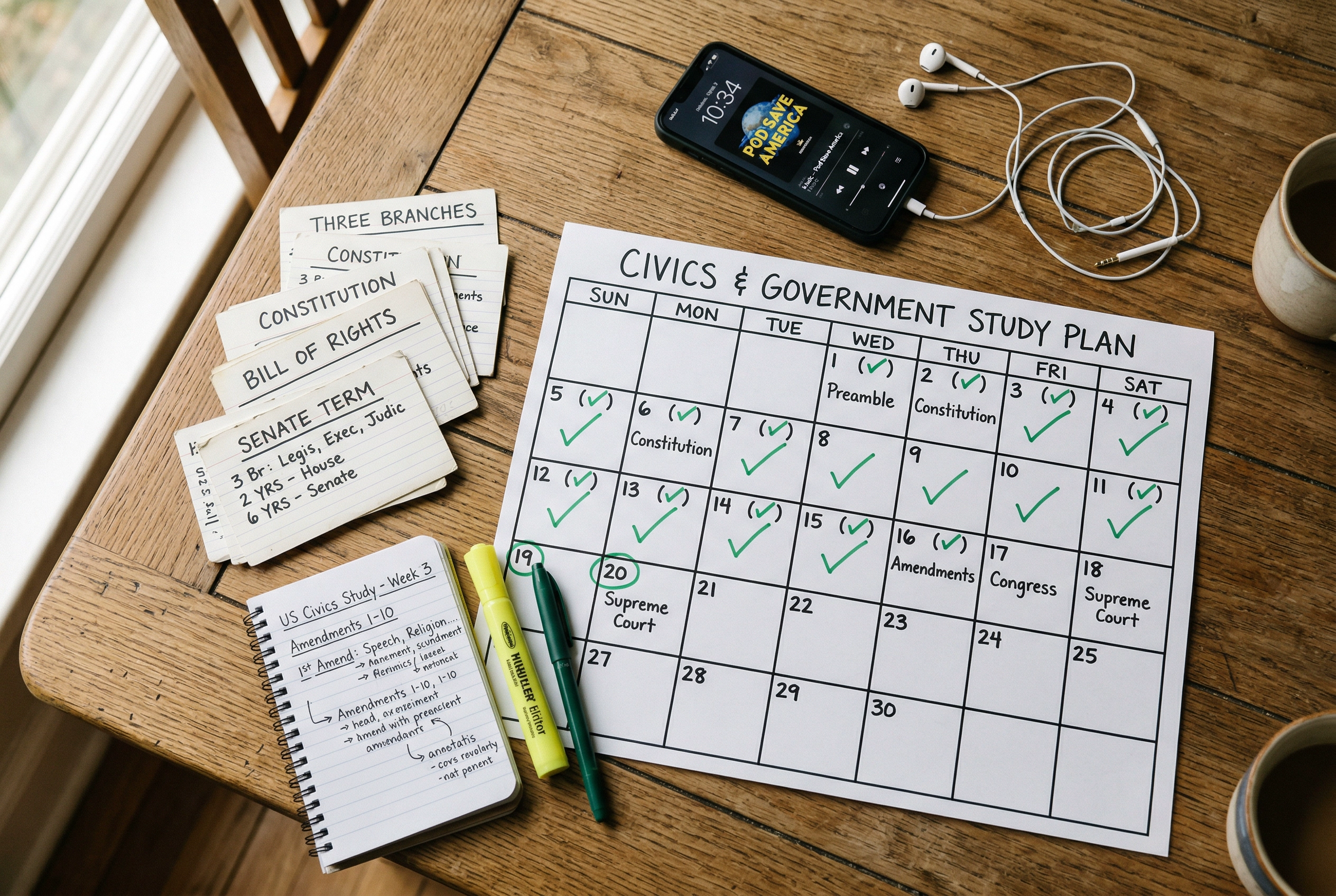
Four weeks. Fifteen minutes a day. That's enough if you practice consistently and speak out loud — not just study silently. This is the most effective way to get US citizenship English test practice done.
Week 1: Know Your N-400 Inside Out
Goal: Answer every N-400 question fluently, out loud, without reading.
- Read your completed N-400 form daily
- Practice answering each question in natural spoken English
- Don't memorize scripts — explain answers like telling a friend
- Record yourself answering 5 questions each day and listen back
By week's end, state your name, address, birthdate, employment, and travel history without hesitation.
Week 2: Build Your Civics Vocabulary
Goal: Pronounce and answer 15-20 civics questions per day, out loud.
- Study 15-20 civics questions from the USCIS study materials
- Say every answer out loud — don't just read silently
- Focus on pronunciation of key civics terms
- Use flashcards, but always speak the answer before flipping
By week's end, handle all 128 civics questions and say answers clearly.
Starting from scratch? Our English speaking practice for beginners guide builds foundational skills. You can also follow a daily English speaking practice routine to build a consistent habit.
Week 3: Simulate the Full Interview
Goal: Run through the complete interview — small talk, N-400 review, civics — under realistic conditions.
- Sit at a table like the real interview
- Have someone ask questions in random order — or use an AI conversation partner
- Practice small talk: "How are you?" "How did you get here today?"
- Run through N-400 and civics questions together
- Practice saying "Could you repeat that, please?"
This is the most critical week. Simulating the interview reduces anxiety because your brain learns: I've done this before.
Practice Me is designed for exactly this. Have real-time voice conversations with an AI tutor who asks questions, listens, and responds naturally — 24 hours a day, judgment-free. Choose the American accent to match what you'll hear at USCIS. It's the closest thing to a mock citizenship interview you can do at home, whenever you want.
Week 4: Confidence and Review
Goal: Sharpen weak spots and build calm confidence.
- Focus on questions or vocabulary that still feel shaky
- Do one full mock interview run-through daily
- Practice deep breathing: 4 counts in, 4 hold, 4 out
- Visualize yourself answering questions calmly
Interview day tips:
- Arrive early — rushing increases anxiety
- Bring all documents organized in a folder
- Greet the officer: "Good morning"
- Speak clearly and at a normal pace
- If you don't understand, ask the officer to repeat — this is allowed and expected
How Practice Me Helps With English Speaking Practice for US Citizenship Interview Prep

Preparing alone has one big limitation: no one to talk to. Flashcards don't prepare you for live conversation. And few people have a friend available for mock interviews at 10 PM on a Tuesday.
Practice Me gives you a real-time AI voice conversation partner — 24/7, judgment-free.
What makes it effective for citizenship interview English practice:
- Voice-first. You speak out loud — the only way to build real confidence for an in-person interview.
- American accent. Most USCIS officers speak American English. Practice with an American accent AI tutor to get comfortable with those sounds.
- Zero judgment. No raised eyebrows when you stumble. No one getting bored of civics questions. Practice unlimited times.
- Vocabulary tracking. Citizenship words from your conversations are saved for review.
- Your schedule. Midnight nerves? Practice at midnight. Ten minutes at a bus stop? Practice there.
Beyond citizenship prep, you can practice English speaking alone, work on becoming fluent in English, or practice English with AI on any topic.
If speaking anxiety goes beyond the citizenship test, our guide on how to speak English fluently and confidently covers strategies for every situation. You'll also find helpful tips to improve English speaking skills overall.
Ready to start? See Practice Me pricing and build the confidence you need before your interview day.
Frequently Asked Questions
How hard is the English test for US citizenship?
It evaluates basic communication, not advanced fluency. According to USCIS data, 95.7% of all applicants pass the naturalization test overall, with over 88% passing on their first attempt. Reading and writing use simple vocabulary (75-100 words from published USCIS lists). The speaking portion requires understanding and answering questions about your own life and N-400. If you're reading this article in English, your level is likely sufficient — but english speaking practice out loud is essential for the citizenship test.
What happens if I fail the English portion of the citizenship test?
USCIS schedules a re-exam within 60-90 days. You retake only the portion you failed. Fail the second attempt and your N-400 is denied — but you can reapply later. Use the time between tests to improve your English speaking by yourself with intensive daily practice.
Can I bring an interpreter to my citizenship interview?
Generally, no — the interview proves you can communicate in English. Exceptions exist: if you qualify for an age-based exemption (50/20 or 55/15 rule), you may take the civics test in your native language. You can also bring an immigration attorney. Check the USCIS Policy Manual for specific eligibility.
How long should I prepare for the citizenship English test?
Most experts recommend 2-3 months. If your English is conversational, 30 days of focused daily practice (following our plan above) is enough. If you're still building skills, start 3-6 months early and combine civics study with English speaking practice for beginners. The key is daily speaking practice, not just silent reading.
What English level do I need for US citizenship?
USCIS requires "basic" English — roughly A2-B1 on the CEFR scale. Understand simple questions, give short personal answers, read basic civics sentences, and write a simple sentence. No complex grammar, academic vocabulary, or native accent required. The standard is communication, not eloquence.
Does USCIS test grammar during the citizenship interview?
No direct grammar test. The officer evaluates overall communication ability. Minor errors — "I have live here five years" instead of "I have lived here for five years" — won't cause failure. Officers listen for comprehension: do you understand their questions, and can they understand you? Focus on clarity, not perfection. For broader improvement beyond citizenship prep, see our guide on how to get fluency in English.